
Danielle is an accredited EMDRAA practitioner. Danielle uses EMDR and other evidence-based models.
As a trained Wilderness Lead Guide, Danielle combines her therapeutic work with the outdoors, developing and facilitating bush adventure therapy programs.
WHAT IS EMDR (EYE MOVEMENT DESENSITISATION &REPROCESSING)?
Eye Movement Desensitisation Reprocessing (EMDR) is an evidenced-based psychotherapy that encompasses principles, procedures, and protocols. EMDR works with the memories of a distressing life event, the beliefs, affect, emotions, and associated stress symptoms that are linked with the memory by using bilateral eye movements. EMDR addresses past experiences, current triggers, and future potential challenges. EMDR is a time efficient therapy with specific phases that guides the processing of the distressing life events.
The benefits of EMDR include the; shift of distressing feelings and beliefs that you had about yourself have less power than before, alleviation of disturbing memory, relief from bodily sensations, resolution of present and future triggers, and improved view of self.
EMDR is an effective therapy for people with adverse childhood experiences, trauma (which includes memories or flashes of a traumatic event), addictions and PTSD. The World Health Organisation recommends EMDR for children, adolescents and adults with PTSD.
View EMDRAA (EMDR Association of Australia) for helpful information explaining EMDR.
What is Bush Adventure Therapy?
Bush Adventure Therapy connects people with nature. It uses the outdoor natural environment, and outdoor activities within the Australian bush setting with qualified counsellors and wilderness guides, and together it forms therapy. The bushland provides opportunity for reflection and time to look within to safely process trauma.
Throughout a bush adventure therapy program, the environment plays a significant role where participants engage in an array of adventurous activities that often includes a journey. The bushland is an environment that is powerfully confronting, where there is a sharp contrast between perceived and actual risk.
Participants are challenged emotionally, physically and spiritually as they learn experientially. The facilitators use these insights to address therapy goals and link learning back to their lives, often through metaphoric connections. Research suggests behaviour change that occurs in the bushland can be transferred effectively back into everyday life. Through experiential learning in bushland, participants gain tools and strategies, process trauma, regain strength, and gain insights and connectedness to their world.
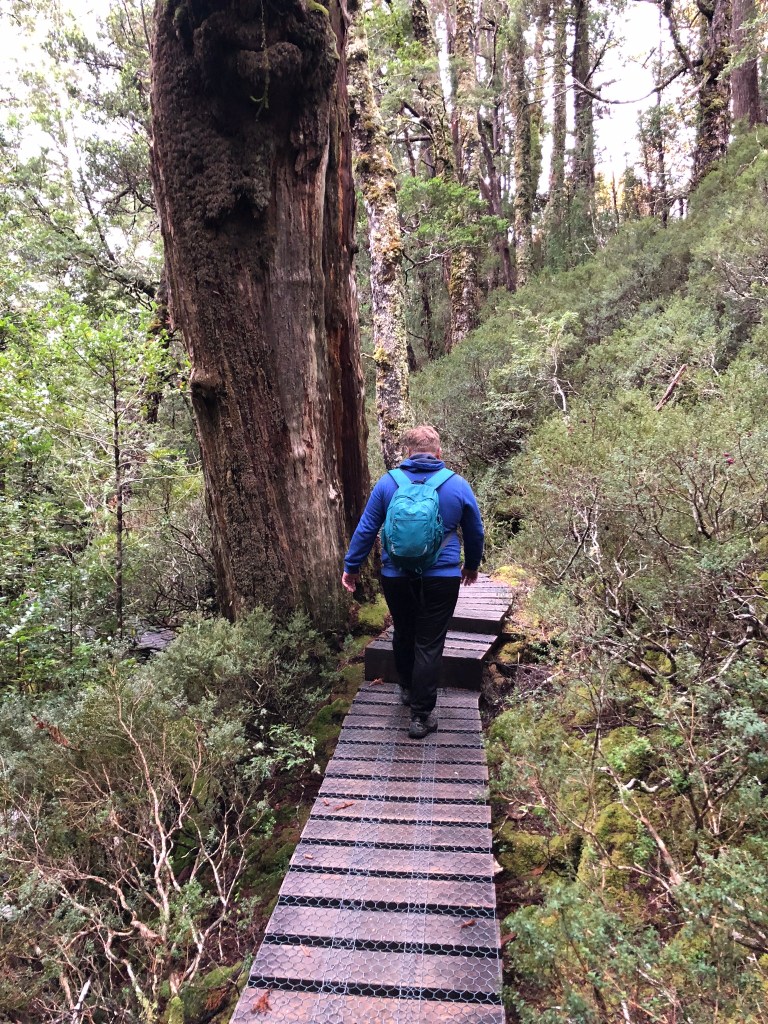
“Over the past fifteen years, I have developed and facilitated bush adventure therapy programs, with young people who have experienced early childhood trauma.
Whilst out in the Australian bushland, I was able to experience the positive changes and restorative power that nature brings to the therapeutic environment. From when I first met the young people, to seeing transformations during the program, and post completion when I hear about their successes; often reengagement at school, within the family environment, or within their community.
With first-hand experience of the healing that occurs in the bushland, I remain an advocate for bush adventure therapy programs with young people. There is nothing like bringing counselling from within four walls, to the outdoors”
 A Grounded Nature